

Applications
Industries and Applications
Regardless of the industry in which your part will be used, the key factors that determine whether the process can be applied are the material, the part geometry and the technical specification.

Defence industry and precision mechanical parts
In defence applications, the contact surfaces of mechanical parts, dimensional control and repeatable assembly behaviour can be important.

Automotive and supplier industry
In automotive production, thickness consistency, parallelism and functional surface quality are important for suitable parts.

Sealing technology and mechanical seals
A very low Ra value alone does not guarantee sealing; contact pressure, the mating surface, the material pair, temperature, the fluid and the design are also decisive.
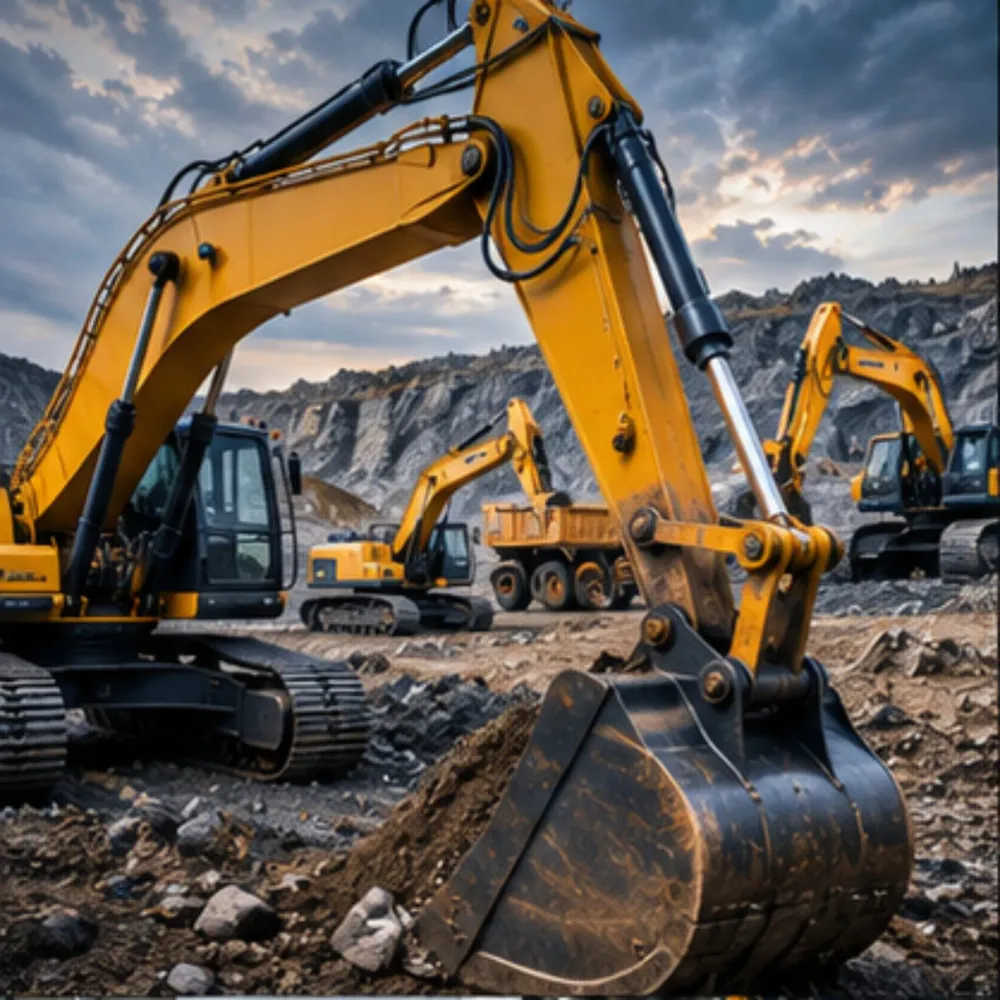
Hydraulic and pneumatic systems
Valve plates, flow control discs, flat sealing contact surfaces and some precision spacers can be affected by surface quality.
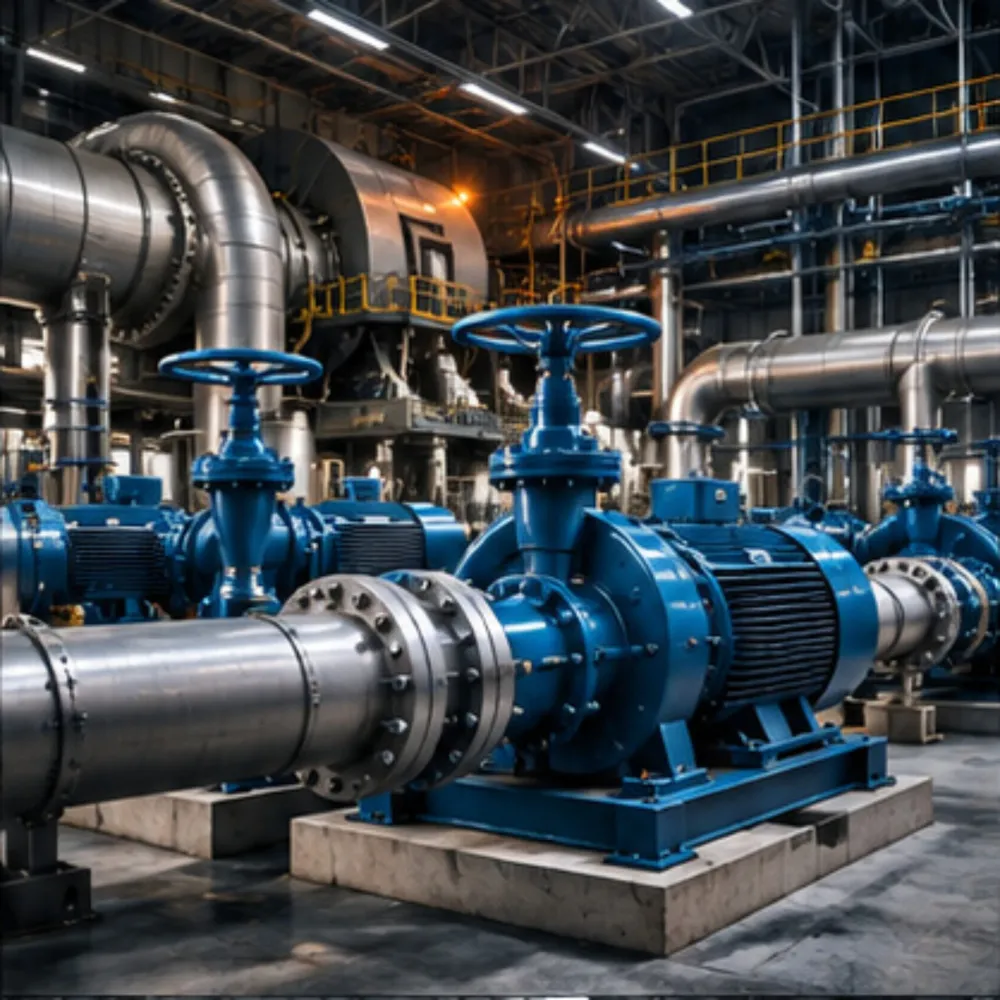
Pumps, valves and energy equipment
In pump and valve systems, the geometric quality of flat seating surfaces, cover interfaces, sealing surfaces and suitable discs/parts can become important.
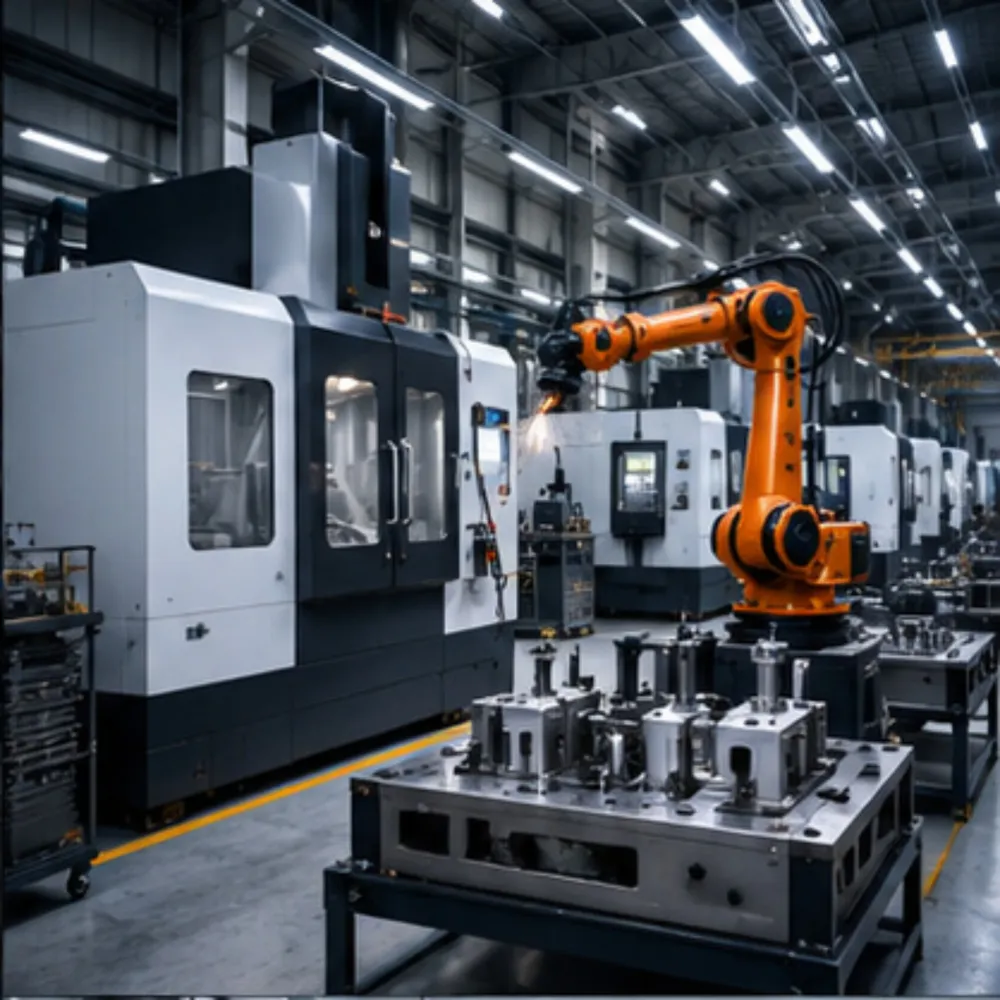
Machine building and tooling parts
In machine building, flatness, thickness and surface texture may be required for some plates, seating surfaces, flange-type elements and precision spacers.
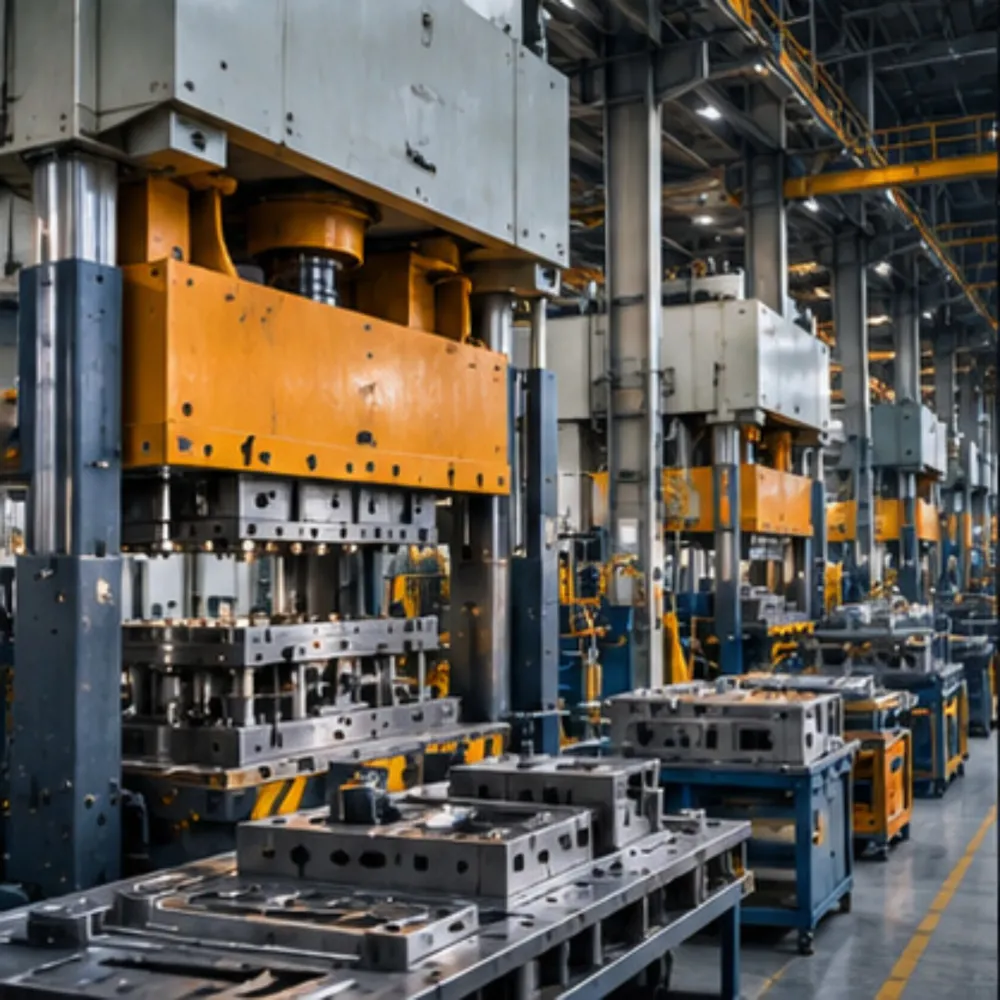
Mould, fixture and special tooling industry
In mould and tooling systems, the flatness of certain seating surfaces, the thickness of precision spacers and the parallelism of opposing surfaces can affect assembly and operating behaviour.

Aerospace and high-precision applications
In fields with demanding technical control requirements such as aerospace, the surface geometry of certain metal components can be critical.

Medical and other special applications
In medical devices and special precision mechanical systems, certain metal/ceramic contact surfaces may require high surface quality.
Typical part families
Examples that can be evaluated include metal discs with suitable geometry, shims, rings, spacers, seal rings, valve plates, pump/valve contact elements, flange-type workpieces and some precision machine parts with flat surfaces. Suitability is decided for each part based on dimensions, thickness, weight, hole/protrusion geometry and the machine's carrier arrangement. This list is not a guarantee that every part can be processed in the workshop.
You can request a preliminary evaluation for lapping or double-sided grinding by sharing your technical drawing and surface expectations.
Let us review your part.
Send us your technical drawing and target surface requirements, and we will determine the right process together.