Skip to content
LeplemecimLeplemecim

Applications

Materials

The same machining method does not give the same result on different metals.

Carbon steel, alloy steel, stainless steel, cast iron and aluminium differ in hardness, ductility, microstructure, response to abrasives and compatibility with fluids. Heat treatment, coatings, surface oxides and part geometry must be considered as well as material hardness.

01

Carbon steels

Surface quality and process selection are evaluated according to the type of material.
Details

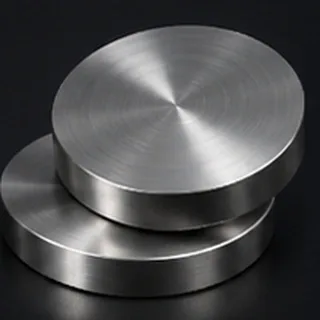
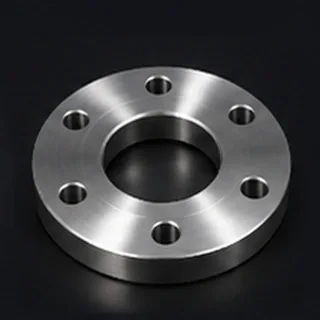
Low and medium carbon steels are widely used in machine parts and various connecting/contact elements. In lapping, the goal is not only shine but the flatness and roughness of a specific functional surface. The choice of abrasive may vary depending on the ductility of the steel and the surface condition of the workpiece. Because of the risk of rust, a suitable process fluid and drying after processing are important.
02

Alloy and hardened steels

Hardness and heat treatment condition affect the appropriate grinding and lapping parameters.

Details

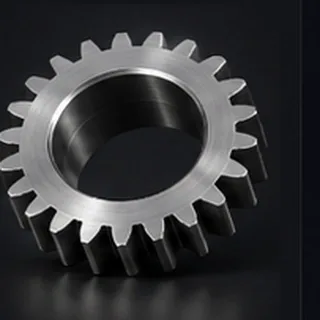
Hardening can change how the surface behaves against the abrasive. A suitable grain size and pressure are needed to reduce previous grinding marks. On hardened parts, excessive stock removal can damage the final tolerance or the surface layer. Heat treatment information and the expected surface requirement should be stated on the work order.

03

Stainless steels

The machining method is selected according to the alloy and the part surface.

Details

Stainless steels are a broad family of materials; not every grade is processed in the same way. Embedded iron particles and cross-contamination on the surface can affect corrosion behaviour. If process equipment is shared with carbon steel, contamination control is important. Suitability for processing should be examined according to the material grade and the expected surface.

04

Aluminium and aluminium alloys

For its softer structure, compatibility of the abrasive and process fluid is important.

Details

The relatively soft and ductile behaviour of aluminium can create different risks such as abrasive embedding in the surface, smearing and carry-over of contamination. The aluminium compatibility of the process fluid and the choice of abrasive are important. Process settings used for steel should not be automatically copied for aluminium parts.

05

Cast iron and other materials

A suitable surface finishing plan is drawn up according to the structure of the cast surface.

Details

Cast iron can have different microstructures, and its graphite content can affect the surface texture. Brass, bronze, ceramics and special alloys can be lapped according to the literature; these materials are examined separately for each part as possible applications.

Let us review your part.

Send us your technical drawing and target surface requirements, and we will determine the right process together.

Get a Quote

How would you like to send your technical drawing?

What should the technical drawing include?Tap to see the 8 details we need, such as material, quantity, dimensions, tolerance and target Ra/Rz.